
Trails in Rwanda, aptly nicknamed “the Land of a Thousand Hills,” offers some of East Africa’s most spectacular and diverse hiking experiences. From volcanic summits piercing the clouds to ancient rainforests teeming with primates, this compact nation delivers extraordinary adventures for hikers of all skill levels. Whether you’re seeking challenging multi-day mountain ascents, tranquil lakeside walks, or immersive forest treks, Rwanda’s hiking trails promise unforgettable encounters with nature, culture, and some of the continent’s rarest wildlife. Here are the 10 best hiking tours and trails that should be on every outdoor enthusiast’s Rwanda itinerary.
1. Mount Karisimbi Trek: Rwanda’s Highest Peak
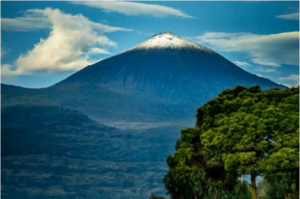
Dominating the skyline at 4,507 meters (14,787 feet), Mount Karisimbi represents the ultimate hiking challenge in Rwanda. This dormant volcano, whose name translates to “white shell” in reference to its frequently cloud-capped summit, requires a two-day expedition that tests endurance while rewarding hikers with unparalleled views across three countries.
The journey begins through dense tropical rainforest where mountain gorillas roam, transitions through bamboo forests adorned with blooming Lobelia plants, and culminates in alpine moorland beneath the snow-dusted peak. Hikers spend the first night camping at approximately 3,700 meters before making the final ascent at dawn. On clear mornings, the summit provides breathtaking panoramas extending across Rwanda, Uganda, and the Democratic Republic of Congo, with the entire Virunga volcanic chain spread below like a geological masterpiece.
This demanding trek requires good physical fitness, proper acclimatization, and mental preparation for steep, muddy trails that can become treacherous during rainy seasons. The potential to encounter mountain gorillas, golden monkeys, and rare bird species endemic to the Albertine Rift adds extraordinary wildlife value to an already remarkable adventure. Permits cost approximately $400 USD and include park fees, guide services, and basic camping equipment.
2. Mount Bisoke Hike: The Crater Lake Adventure
Mount Bisoke offers one of Rwanda’s most rewarding day hikes, combining moderate difficulty with spectacular scenery. This 3,711-meter dormant volcano straddles the Rwanda-DRC border and features a stunning bottle-green crater lake at its summit that makes every challenging step worthwhile.
The round-trip journey typically takes between five and eight hours, depending on fitness levels and trail conditions. Hikers ascend through bamboo forests where golden monkeys swing overhead, navigate steep sections requiring scrambling over volcanic rocks, and eventually break through the tree line to approach the mist-kissed crater rim. The lake itself, approximately 400 meters in diameter, sits like an emerald jewel within the volcanic caldera, surrounded by lush vegetation and often shrouded in mystical fog.
Mount Bisoke’s central location within the Virunga range provides excellent views of neighboring peaks, including the jagged silhouette of Mount Mikeno in Congo. Wildlife encounters are common, with possibilities of spotting mountain gorillas, forest elephants, and numerous bird species. The trail can be muddy and slippery, making hiking boots with good ankle support essential. Permits cost $75 USD and should be booked in advance through the Rwanda Development Board.
3. Congo Nile Trail: Rwanda’s Epic Long-Distance Trek
Stretching 227 kilometers along the spectacular shores of Lake Kivu, the Congo Nile Trail stands as one of Africa’s finest long-distance hiking routes. This multi-day adventure can be completed in approximately 10 days on foot, though many hikers choose to tackle individual sections that suit their schedule and interests.
The trail winds through diverse landscapes including dense rainforests, terraced hillsides planted with tea and coffee, traditional villages, and pristine beaches. With a peak elevation of 2,630 meters, the route provides serious vertical challenges balanced by stunning lake views at nearly every turn. The path follows ancient footpaths used by local communities, offering authentic cultural immersion alongside natural beauty.
Hikers pass through twelve coffee-washing stations, three tea plantations, three cities, and dozens of villages, each providing opportunities to interact with Rwandan communities and experience traditional life. The trail features designated campsites and guesthouses in towns for those seeking more comfortable accommodation. Food and refreshments are available at small shops along the route, though hikers should carry sufficient water and snacks for longer sections between settlements.
The Congo Nile Trail suits hikers of varying abilities, as sections range from relatively easy lakeside paths to challenging mountain climbs. It can also be cycled, making it versatile for different outdoor enthusiasts. The combination of natural beauty, cultural encounters, and lakeside serenity makes this one of Rwanda’s most comprehensive hiking experiences.
4. Mount Muhavura Summit: Views to Three Countries
Rising to 4,127 meters, Mount Muhavura offers intrepid hikers a full-day challenge with rewards that include panoramic views spanning Rwanda, Uganda, and the Democratic Republic of Congo. Located at the eastern end of the Virunga volcanic chain, this peak features a beautiful crater lake at its summit and provides unmatched vistas of the twin lakes Burera and Ruhondo far below.
The round-trip ascent typically requires six to eight hours and demands good fitness and endurance due to the sustained altitude and steep terrain. The trail passes through various vegetation zones, offering opportunities to spot primates, forest birds, and unique high-altitude flora. The summit crater lake provides a mirror-like reflection when conditions are calm, creating a surreal reward for those who complete the challenging climb.
Mount Muhavura’s position allows hikers to observe the entire Virunga mountain range from a unique perspective. The descent can be particularly demanding on the knees, making trekking poles highly recommended. Permits cost $75 USD and include guide services essential for navigation and safety.
5. Dian Fossey Tomb Trail: A Pilgrimage Through Conservation History
This moderately challenging hike combines physical exertion with profound emotional and educational value. The trail leads to the Karisoke Research Center where legendary primatologist Dian Fossey lived and worked for eighteen years before her tragic murder in 1985. Her grave sits in the gorilla cemetery she created, beside her beloved silverback Digit and approximately twenty mountain gorillas killed by poachers.
The trek begins at Volcanoes National Park headquarters and takes approximately 1.5 hours each way through beautiful Hagenia-Hypericum forest at elevations between 2,900 and 3,000 meters. The total round trip requires six to seven hours, including time spent at the research center ruins and grave site. Along the way, hikers may encounter golden monkeys, forest elephants, buffaloes, and various primate species.
This trail offers more than scenic beauty; it provides historical context for Rwanda’s gorilla conservation success story and honors the sacrifices made to protect these endangered animals. The experience is deeply moving for anyone interested in wildlife conservation, primatology, or environmental history. Permits cost $75 USD and include expert guides who share stories about Fossey’s work and its lasting impact on gorilla populations.
6. Nyungwe Forest Canopy Walkway: Walking Above the Rainforest
One of only three canopy walkways in Africa and the only one in East Africa, Nyungwe’s suspended bridge offers a thrilling perspective on one of the continent’s oldest montane rainforests. The 160-meter-long walkway hangs 70 meters above the forest floor, providing bird’s-eye views of the ancient canopy and wildlife that rarely descends to ground level.
The experience begins with a guided hike along the 2.1-kilometer Igishigishigi Trail from the Uwinka Reception Centre. This easy-to-moderate forest walk takes approximately one hour and showcases the biodiversity that makes Nyungwe special—butterflies, orchids, endemic bird species, and potentially some of the park’s thirteen primate species including chimpanzees and colobus monkeys. The canopy walk itself takes about 30 minutes, though visitors often linger to photograph the spectacular views.
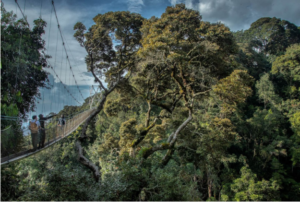
The walkway consists of three sections (90 meters, 45 meters, and 25 meters) secured to massive forest trees. It sways gently in the breeze, adding an element of adventure while remaining safe and structurally sound. From this elevated vantage point, visitors enjoy panoramic views extending to Lake Kivu and distant hills while observing primates, birds, and insects at eye level.
The canopy walk operates year-round with four daily start times (8 AM, 10 AM, 1 PM, and 3 PM) and costs $60 USD for international visitors ($40 for foreign residents, $20 for EAC citizens, $5 for Rwandan nationals). The minimum age is six years, and children must be accompanied by adults. Those with severe acrophobia should consider their comfort level, though the sturdy construction and safety measures make it accessible for most visitors.
7. Nyungwe Four Waterfalls Trail: A Challenging Forest Adventure
For experienced hikers seeking a demanding full-day trek through pristine rainforest, the Four Waterfalls Trail in Nyungwe National Park delivers exceptional rewards. This challenging route covers approximately 10 kilometers and showcases four stunning waterfalls cascading through the ancient montane forest, each offering refreshing opportunities to rest and appreciate the power of nature.
The trail loops around two of Nyungwe’s highest peaks, providing varied terrain that includes steep ravines, verdant valleys, and ridgeline paths with views extending to Lake Kivu on clear days. Hikers traverse diverse ecosystems, from lowland rainforest to higher altitude moorland, each supporting different wildlife communities. The waterfalls range from gentle cascades to powerful torrents, creating microclimates that support unique plant communities and attract bird species.
This trail demands good physical fitness and stamina, as the elevation changes are significant and the forest floor can be muddy and slippery. However, the solitude, natural beauty, and sense of accomplishment make it one of Nyungwe’s most satisfying hiking experiences. Hikers should allocate six to eight hours for the complete circuit and bring plenty of water and energy snacks.
8. Kamiranzovu Marsh Trail: Wetland Wilderness Experience
Nyungwe’s Kamiranzovu Marsh Trail offers a unique hiking experience through one of the park’s most important wetland ecosystems. This trail takes hikers to the park’s largest marsh area, an ancient swamp that serves as a vital water source and supports distinct wildlife communities adapted to wetland conditions.
The hike typically requires three to four hours and follows gentle to moderate terrain through varied landscapes. Hikers pass through dense forest before emerging at the expansive marsh, where boardwalks allow exploration without disturbing the delicate ecosystem. The wetland attracts numerous bird species, making this an exceptional destination for birders seeking Albertine Rift endemics and waterbirds rarely seen elsewhere in the park.
The trail showcases the remarkable diversity of Nyungwe’s ecosystems and demonstrates how different habitat types support different species. Ruwenzori colobus monkeys, L’Hoest’s monkeys, and other primates frequent the forest sections, while the marsh itself hosts unique amphibian and insect communities. The relatively gentle terrain makes this trail accessible to hikers of moderate fitness levels.
9. Twin Lakes (Burera and Ruhondo) Circuit: Volcanic Lakeside Serenity
The trails around Lakes Burera and Ruhondo offer some of Rwanda’s most peaceful and scenic hiking experiences. These twin lakes sit at the base of the Virunga Mountains, surrounded by terraced hillsides and traditional villages that exemplify rural Rwandan life. The rolling terrain provides moderate challenges without extreme altitude gains, making these trails ideal for hikers seeking beautiful scenery without extreme physical demands.
Multiple trail options allow visitors to customize their experience based on time and fitness. Routes wind through agricultural lands where local farmers cultivate tea, vegetables, and other crops on steep terraced slopes. The paths offer constantly changing perspectives on the lakes, with the volcanic peaks of the Virunga range providing dramatic backdrops. Sunrise and sunset hikes are particularly stunning, as changing light transforms the water and surrounding hills.
The twin lakes area receives fewer visitors than more famous destinations, providing opportunities for genuine solitude and unhurried nature appreciation. Birdwatchers appreciate the diversity of water birds and other species inhabiting the lakeside ecosystems. Local guides can arrange cultural experiences including village visits, traditional craft demonstrations, and opportunities to learn about fishing and farming practices.
10. Mount Kigali Urban Trail: City Hiking with Cultural Insights
For travelers with limited time or those seeking a gentler introduction to Rwanda’s hiking culture, Mount Kigali offers an excellent two-to-three-hour urban trek that combines natural beauty with cultural insights. This trail winds through Kigali’s hillsides and neighborhoods, passing through villages and offering off-the-beaten-track perspectives on Rwanda’s capital city.
The route includes a perfectly timed rest stop at Fazenda Sengha, a local coffee shop that serves excellent refreshments after a moderately steep climb. The trail provides excellent views over Kigali while allowing hikers to observe daily life in urban Rwanda, from bustling markets to residential neighborhoods. Local guides share stories about Kigali’s history, development, and culture while navigating the maze of footpaths connecting different hilltop communities.
Mount Kigali hikes are easily accessible from city hotels, require no special permits, and can be arranged through local tour operators or hiking clubs. The trails are generally safe and well-used by local residents, providing authentic experiences without venturing far from urban conveniences. This option suits business travelers, short-visit tourists, or anyone wanting to experience Rwandan hiking culture without committing to remote wilderness treks.
Practical Considerations for Hiking in Rwanda
Best Seasons
Rwanda’s hiking conditions vary significantly by season and location. Generally, the dry seasons from June to September and December to February offer the best conditions with less mud, clearer views, and more stable weather. However, the southwestern region including Nyungwe benefits from slightly different patterns, with May to September being optimal.
The wet seasons (March-May and October-November) bring spectacular scenery with lush vegetation and dramatic cloud formations, but trails become muddy and slippery, making hiking more challenging. Some prefer these quieter months despite the conditions, particularly for photography and seeing waterfalls at their most impressive.
Permits and Costs
Most volcano hikes in Volcanoes National Park require permits ($75-400 USD depending on the mountain). Nyungwe trails have varying costs, with the canopy walk costing $60 USD and other trails included in park entry fees. The Congo Nile Trail is free to hike, though accommodation and guide costs apply. Booking permits in advance through the Rwanda Development Board or licensed tour operators is strongly recommended, especially during peak seasons.
Guides and Porters
All Volcanoes National Park hikes require professional guides, and many Nyungwe trails are guided as well. These experts provide essential safety, navigation, and educational value. Porters are available for hire on all major mountain treks and are highly recommended—they provide employment to local communities while making your hike more enjoyable by carrying gear and offering assistance on difficult sections.
Fitness Requirements
Fitness requirements range from easy (canopy walk, Twin Lakes easy sections) to very demanding (Karisimbi, Muhavura). Altitude affects all mountain hikes above 3,000 meters, so proper acclimatization and realistic self-assessment are important. Most trails require several hours of walking with elevation changes, making moderate fitness levels advisable even for “easier” hikes.
What to Pack
Essential gear includes waterproof hiking boots, rain jacket, warm layers (temperatures drop significantly at altitude), walking stick, sun protection, insect repellent, plenty of water, energy snacks, and a camera. Garden gloves are useful for gripping vegetation on steep sections. Long sleeves and pants protect against nettles and insects.
Conclusion
Rwanda’s hiking trails offer far more than physical exercise—they provide gateways to understanding this remarkable nation’s natural heritage, conservation achievements, and cultural richness. From the volcanic peaks where mountain gorillas roam to ancient rainforests echoing with chimpanzee calls, from lakeside paths revealing rural life to urban trails connecting hilltop neighborhoods, these ten hiking experiences showcase Rwanda’s extraordinary diversity within a compact geography.
Whether you’re summiting Rwanda’s highest peak on a challenging two-day expedition, walking suspended above the forest canopy, or following the Congo Nile Trail through traditional villages, each trail tells stories about Rwanda’s landscape, wildlife, and people. The country’s investment in sustainable tourism and conservation means that hiking in Rwanda directly supports gorilla protection, community development, and environmental preservation.
For outdoor enthusiasts, Rwanda represents a uniquely accessible African hiking destination where world-class trails, excellent infrastructure, and genuine safety combine to create unforgettable experiences. The hiking opportunities suit everyone from casual walkers to serious mountaineers, from solo adventurers to family groups, from day-trippers to long-distance trekkers. In the Land of a Thousand Hills, every trail reveals new perspectives on natural beauty, conservation success, and the enduring spirit of a nation that has transformed itself while preserving its most precious treasures.
Whether you complete all ten of these exceptional hikes or choose just one that speaks to your interests and abilities, Rwanda’s trails promise memories that transcend the ordinary and inspire deeper connections with nature, conservation, and the remarkable diversity of our planet. Pack your hiking boots, prepare for adventure, and discover why Rwanda has earned its reputation as one of Africa’s premier hiking destinations.
Key Takeaways
- Diverse Trail Options: Rwanda offers hiking experiences ranging from easy canopy walks to demanding two-day volcano summits, catering to all fitness levels and interests.
- Volcanic Highlights: Mount Karisimbi (4,507m), Mount Bisoke (3,711m), and Mount Muhavura (4,127m) provide challenging ascents with stunning crater lakes and panoramic views across three countries.
- Congo Nile Trail: This 227-kilometer lakeside route represents one of Africa’s finest long-distance hikes, combining natural beauty with authentic cultural encounters over approximately 10 days.
- Unique Experiences: The canopy walkway in Nyungwe Forest offers one of Africa’s only opportunities to walk 70 meters above ancient rainforest, while the Dian Fossey tomb trail provides profound conservation history.
- Optimal Timing: Dry seasons (June-September and December-February) offer the best hiking conditions, though wet seasons bring spectacular scenery and fewer crowds for those willing to handle muddy trails.
- Wildlife Encounters: Trails offer potential sightings of mountain gorillas, golden monkeys, chimpanzees, forest elephants, and over 300 bird species including Albertine Rift endemics.
- Permit Requirements: Most volcano hikes require permits ($75-400 USD) that should be booked in advance; Nyungwe trails have varying costs with the canopy walk at $60 USD for international visitors.
- Essential Preparation: Waterproof boots, rain gear, warm layers, walking sticks, and proper hydration are critical; hiring porters is recommended for major mountain treks and supports local employment.
- Fitness Considerations: Altitude affects all hikes above 3,000 meters; realistic fitness assessment is important, with trails ranging from easy 2-hour walks to extremely demanding two-day expeditions.
- Conservation Impact: Hiking permit fees directly support gorilla conservation, community development, and habitat protection, making tourism a key driver of Rwanda’s environmental success.
Frequently Asked Questions
Q: What is the best time of year to go hiking in Rwanda?
The best hiking seasons in Rwanda are the dry periods from June to September and December to February. During these months, trails are less muddy and slippery, making hiking safer and more enjoyable. However, the southwestern region around Nyungwe Forest has slightly different patterns, with May to September being particularly good. Wet seasons (March-May and October-November) offer lush scenery and fewer crowds but more challenging trail conditions.
Q: Do I need to be very fit to hike in Rwanda?
Fitness requirements vary significantly by trail. Easy options like the canopy walk and gentle sections of the Twin Lakes trails suit most fitness levels. Moderate hikes like Mount Bisoke and the Dian Fossey tomb require reasonable fitness and several hours of walking ability. Challenging multi-day treks like Mount Karisimbi demand good fitness, endurance, and ability to handle high altitudes. Honest self-assessment is important for enjoyment and safety.
Q: Are hiking permits required for all trails in Rwanda?
Not all trails require permits. Volcanoes National Park hikes (Karisimbi, Bisoke, Muhavura, Dian Fossey tomb) require permits ranging from $75-400 USD. Nyungwe trails include costs in park entry fees or specific activity fees (canopy walk is $60 USD). The Congo Nile Trail and Mount Kigali urban trail don’t require permits, though you may pay for guides and accommodation. Always book volcano permits well in advance through the Rwanda Development Board or licensed operators.
Q: Can I hike independently or do I need a guide?
Most major trails require professional guides, particularly in Volcanoes National Park where guides are mandatory for safety and conservation reasons. Nyungwe Forest trails are typically guided as well. The Congo Nile Trail can be hiked independently, though many choose to hire local guides for enhanced cultural insights and navigation assistance. Guides provide valuable services including wildlife spotting, safety management, route finding, and educational information about ecosystems and conservation.
Q: What should I pack for hiking in Rwanda?
Essential items include waterproof hiking boots with ankle support, rain jacket (weather changes quickly), warm layers for altitude, long pants and long-sleeved shirts for protection from nettles and insects, walking stick or trekking poles, sun protection, insect repellent, minimum 2 liters of water, energy snacks, camera with extra batteries, and garden gloves for gripping vegetation. Pack lightly as you may need to carry everything yourself unless you hire a porter.
Q: Is it safe to hike in Rwanda?
Yes, hiking in Rwanda is generally very safe. The country has excellent security, well-maintained trails, and professional guides who prioritize visitor safety. Park rangers often accompany hikes in protected areas. Standard precautions apply: stay with your group, follow guide instructions, respect wildlife from safe distances, and be prepared for changing weather. Rwanda’s tourism infrastructure is well-developed and safety-focused.
Q: Will I see mountain gorillas while hiking?
Gorilla sightings are possible but not guaranteed on volcano hikes like Mount Bisoke, Karisimbi, and the Dian Fossey tomb trail, as these pass through gorilla habitat. However, these are not gorilla trekking permits—if you encounter gorillas, you may observe briefly from a distance but cannot approach or photograph them like you would with a dedicated gorilla trekking permit. For guaranteed gorilla encounters with proper viewing time, book a separate gorilla trekking permit ($1,500).
Q: How difficult is the altitude on Rwanda’s mountain hikes?
Altitude becomes a factor on hikes above 3,000 meters, including Mount Karisimbi (4,507m), Mount Muhavura (4,127m), and Mount Bisoke (3,711m). Effects vary by individual but may include shortness of breath, fatigue, and headaches. Proper acclimatization helps—spend a day or two at moderate altitude before major climbs. Karisimbi’s two-day itinerary includes overnight camping at 3,700m to help acclimatization before the final summit push. Stay well-hydrated and ascend slowly to minimize altitude effects.
Q: Can children participate in Rwanda’s hiking trails?
Age restrictions vary by trail. The canopy walk allows children from age 6 (with adults). Volcano hikes have a minimum age of 15 years for trails like the Dian Fossey tomb and Mount Bisoke, reflecting the physical demands and duration. Easier trails like gentle sections of the Twin Lakes circuit and Mount Kigali are suitable for families with younger children. Always consider your child’s fitness, hiking experience, and ability to handle several hours of walking before committing to longer trails.
Q: Should I hire a porter for my hike?
Hiring a porter is highly recommended, especially for challenging volcano hikes. Porters carry your daypack, provide assistance on steep or slippery sections, and offer valuable local knowledge about the trails and wildlife. Importantly, porter hire provides direct employment to local community members, making your tourism dollars directly benefit Rwandans. Porter fees are reasonable (typically $10-20) and represent excellent value for the service provided while supporting sustainable tourism.
Q: How long does each hike take?
Hiking durations vary considerably: the canopy walk takes approximately 2 hours total; Mount Kigali requires 2-3 hours; the Dian Fossey tomb is a 6-7 hour round trip; Mount Bisoke takes 5-8 hours; Mount Muhavura requires 6-8 hours; Karisimbi is a two-day expedition; individual sections of the Congo Nile Trail vary from a few hours to full days; and Nyungwe trails range from 2-3 hours for easy walks to 6-8 hours for challenging routes like the Four Waterfalls Trail. Always allow extra time beyond minimum estimates.
Q: What wildlife can I expect to see while hiking?
Wildlife possibilities include mountain gorillas (on volcano hikes), golden monkeys, chimpanzees (Nyungwe), various colobus monkey species, forest elephants, buffaloes, duikers, forest hogs, and potentially over 300 bird species including many Albertine Rift endemics. Butterfly and insect diversity is remarkable, especially in Nyungwe. Wildlife sightings are never guaranteed and vary by trail, season, and luck, but Rwanda’s protected areas support healthy populations of many species. Guides help spot and identify animals you might otherwise miss.
