
Fly-in gorilla safaris represent the premium approach to experiencing mountain gorillas, dramatically reducing travel time while maximizing opportunities for wildlife encounters and relaxation. For travelers with limited vacation days, those prioritizing comfort over ground travel adventures, or anyone seeking to optimize their safari experience, domestic flights to airstrips near gorilla trekking destinations transform logistics from exhausting overland journeys into seamless, efficient travel. Understanding fly-in gorilla safaris—including available routes, costs, advantages, limitations, and how to integrate air travel into comprehensive itineraries—enables informed decisions about whether this premium option suits your priorities, budget, and overall safari vision.
Understanding Fly-In Safari Logistics
Fly-in gorilla safaris utilize scheduled or chartered domestic flights connecting major international airports with airstrips located near mountain gorilla habitats in Uganda and Rwanda. These flights bypass hours of road travel, converting what might be full-day overland journeys into efficient one-hour flights that preserve energy, save time, and provide aerial perspectives on East Africa’s stunning landscapes. The concept has gained popularity as gorilla tourism has matured, with improved aviation infrastructure and increasing demand from time-conscious luxury travelers driving expansion of flight options.
In Uganda, domestic flights connect Entebbe International Airport with multiple airstrips serving different gorilla trekking regions. Kisoro Airstrip provides access to both Bwindi Impenetrable Forest’s southern sectors (Rushaga and Nkuringo) and Mgahinga Gorilla National Park. Kihihi Airstrip serves Bwindi’s northern and central sectors (Buhoma and Ruhija). These strategic placements mean travelers can reach any of Uganda’s gorilla trekking destinations within 1.5-2 hours of landing in Entebbe, compared to 8-10 hours of overland driving.
Rwanda’s aviation advantages center on Kigali International Airport’s proximity to Volcanoes National Park—just 2.5 hours by road—making domestic flights less critical than in Uganda. However, chartered helicopter services operate between Kigali and helipads near luxury lodges surrounding Volcanoes National Park, reducing transfers to approximately 30 minutes while providing spectacular aerial views of Rwanda’s “land of a thousand hills” and the volcanic Virunga peaks.
Flight operations involve both scheduled services operated by domestic carriers and private charter options offering greater flexibility but at premium costs. Scheduled flights typically operate once or twice daily on established routes, requiring itinerary coordination around fixed departure times. Charter flights accommodate custom scheduling, allowing departures aligned precisely with your itinerary requirements, though costs increase substantially due to exclusive aircraft use.
Advantages of Fly-In Gorilla Safaris
The primary advantage of fly-in safaris centers on time optimization. Overland travel from Entebbe to Bwindi involves 8-10 hours of driving through variable road conditions, consuming entire days that could otherwise be spent on wildlife activities, relaxation, or additional destinations. Flying reduces this to 1.5-2 hour flights plus brief ground transfers, transforming travel days into productive safari time. This efficiency proves particularly valuable for travelers with only 5-7 days available, where dedicating two full days to driving significantly constrains itinerary possibilities.
Physical comfort represents another significant benefit. Long overland journeys, while offering scenic advantages, involve extended periods in safari vehicles navigating sometimes rough roads, creating fatigue that can diminish gorilla trek enjoyment. Flights eliminate this exhaustion, ensuring travelers arrive at lodges refreshed and energized for early morning trekking departures. For travelers with back problems, motion sensitivity, or simply preference for comfort, air travel provides welcome alternatives to marathon drives.
Fly-in safaris enable more ambitious itineraries within compressed timeframes. A traveler might fly to Kisoro for gorilla trekking in Bwindi’s southern sector, then fly north to Murchison Falls for savannah wildlife viewing, and return to Entebbe—experiencing diverse ecosystems and wildlife in 7-8 days that would require 12-14 days with overland connections. This efficiency appeals particularly to professionals with limited vacation time or travelers combining Uganda with other African destinations in comprehensive continental tours.
The aerial perspective provides unexpected benefits beyond mere transportation. Flights over Uganda’s landscapes reveal the country’s remarkable topography—the patchwork of farms surrounding protected forests, the dramatic contrast between cultivated hillsides and pristine wilderness, volcanic peaks rising through clouds, and the extent of conservation areas. These views contextualize gorilla habitats within broader landscapes, illustrating both the beauty of protected areas and the human-wildlife coexistence challenges conservation programs address.
Flexibility in multi-destination itineraries increases substantially with flight options. Combining gorilla trekking with Queen Elizabeth National Park, Kibale Forest for chimpanzees, and Murchison Falls becomes logistically feasible within 10-12 days through strategic flight routing, compared to the extensive driving such combinations would otherwise require. This flexibility particularly benefits travelers seeking comprehensive Uganda experiences or those combining Uganda with Rwanda, Tanzania, or Kenya in regional safaris.
Flight Options and Operators
Several aviation companies operate scheduled and charter services to Uganda’s gorilla trekking regions, each with distinct characteristics, route networks, and service standards. AeroLink Uganda maintains the most comprehensive scheduled service network, with regular flights connecting Entebbe to Kisoro, Kihihi, and other destinations including Murchison Falls, Kidepo Valley, and various regional airstrips. Their fixed schedules provide reliability and competitive pricing for travelers accommodating their flight times within safari itineraries.
Fly Uganda operates scheduled services with slightly different route structures and timing options, providing alternatives when AeroLink schedules don’t align optimally with desired itineraries. Bar Aviation specializes in charter services, offering complete flexibility for custom routing, multiple-destination itineraries, and group travel where charter costs divided among participants become more competitive with scheduled flight pricing.
Charter helicopter services through companies like Kigali Heli Safaris provide ultimate flexibility and luxury, particularly for Rwanda-based operations connecting Kigali with Volcanoes National Park. These services appeal primarily to ultra-luxury travelers for whom time optimization and exclusive experiences justify premium costs, or groups where helicopter charter expenses divided among multiple travelers approach scheduled flight economics.
Flight frequencies vary seasonally, with increased services during peak seasons (June-September, December-February) responding to higher tourist demand. Wet season schedules may reduce slightly, though core routes maintain regular service. Booking flights well in advance, particularly during peak seasons, ensures availability and allows comprehensive itinerary planning around confirmed flight schedules.
Cost Considerations and Value Analysis
Fly-in safari costs substantially exceed overland alternatives, requiring careful value analysis based on individual priorities, budgets, and available time. One-way domestic flights in Uganda typically cost $250-450 per person depending on route, booking timing, and operator. Round-trip flights between Entebbe and gorilla destinations thus add $500-900 per person to safari costs. Charter flights escalate significantly, with helicopter charters potentially costing $2,000-5,000+ depending on distance and aircraft type, though costs divided among full passenger complements (4-6 people depending on aircraft) can become more reasonable.
Comparing these costs against time saved and physical comfort gained requires honest assessment of priorities. For a couple on a 7-day safari, spending an additional $1,800 total ($900 each for round-trip flights) might seem expensive. However, if this converts two driving days into two additional activity days—perhaps allowing both gorilla trekking and chimpanzee tracking instead of choosing one due to time constraints—the value proposition strengthens considerably. The calculation shifts dramatically for individuals with high opportunity costs for vacation time, where maximizing every day justifies premium expenditures.
Groups benefit from more favorable charter economics. A family of four or group of friends traveling together can charter aircraft for costs not dramatically exceeding what they’d pay for individual scheduled flight tickets, while gaining complete schedule flexibility. Charter costs divided among six travelers become surprisingly competitive, particularly when eliminating coordination challenges of synchronized scheduled flight bookings.
Budget-conscious travelers typically find overland travel more appropriate, particularly when time permits and driving doesn’t sacrifice core experiences. The scenic drive from Entebbe to Bwindi, while long, passes through interesting landscapes, small towns, and the equator crossing—experiences with their own value that flights bypass. For travelers approaching safaris as much about journeys as destinations, overland travel aligns better with adventure philosophies.
Integrating Flights into Comprehensive Itineraries
Strategic flight integration optimizes itinerary efficiency while managing costs. One proven approach involves selective flight use—perhaps flying to gorilla destinations to maximize energy for trekking while returning overland with stops at Queen Elizabeth National Park or Lake Mburo, combining flight efficiency with scenic road travel when post-trek fatigue matters less. This hybrid model balances cost, comfort, and experiential variety.
Another strategy focuses flights on longest or most challenging segments. Flying to Kidepo Valley National Park in remote northeastern Uganda makes absolute sense given the 10-12 hour overland drive, while driving to more accessible destinations like Queen Elizabeth or Murchison Falls remains reasonable. Selective flight use directs premium spending where it delivers maximum value while controlling overall costs.
Multi-park itineraries benefit particularly from flight routing. A comprehensive Uganda safari might involve flying Entebbe-Kisoro for Bwindi gorilla trekking, then Kisoro-Pakuba for Murchison Falls wildlife viewing, then Pakuba-Entebbe for departure. This routing covers Uganda’s highlights efficiently within 10-12 days compared to 16-18 days required for comparable overland itineraries, effectively purchasing time through strategic flight investment.
Rwanda-Uganda combinations increasingly utilize flights for cross-border movements. Some travelers fly from Kigali to Kisoro, enabling gorilla trekking in both Volcanoes and Bwindi without the overland drive between them. Others use Entebbe-Kigali flights to connect comprehensive Uganda safaris with Rwanda’s gorilla trekking or other East African destinations efficiently.
Practical Booking and Logistics
Booking fly-in gorilla safaris requires attention to coordination details ensuring seamless integration of flights, ground transfers, accommodation, and gorilla permits. Most travelers benefit from working with tour operators experienced in fly-in logistics who handle flight reservations, coordinate ground transfers from airstrips to lodges, and ensure itinerary timing accommodates flight schedules, gorilla trekking start times, and inter-connection requirements.
Luggage limitations represent critical considerations. Small aircraft serving remote airstrips typically impose strict baggage restrictions—commonly 15kg (33 pounds) per person in soft-sided bags. Hard-shell suitcases often cannot be accommodated due to space constraints and weight distribution requirements. Travelers must pack efficiently, potentially arranging for excess luggage storage in Entebbe or Kigali during gorilla trekking portions. Lodges typically provide laundry services, enabling travelers to pack fewer clothes and meet weight restrictions.
Weather contingencies affect flight reliability. Mountain weather can deteriorate rapidly, creating conditions where visual flight rules prohibit operations. Flights may be delayed or occasionally canceled due to poor visibility, low clouds, or strong winds around mountainous terrain. Building flexibility into itineraries—perhaps with buffer days between flights and critical connections like international departures—protects against weather-related disruptions.
Ground transfers between airstrips and lodges require coordination. Airstrips serving gorilla destinations sit 1-3 hours’ drive from actual lodges and park headquarters, depending on specific lodge locations and sectors. Reputable operators ensure ground transfers align with flight schedules, though these additional drives, while much shorter than full overland journeys, still consume time and should factor into itinerary planning.
Combining Fly-In with Gorilla Trekking Logistics
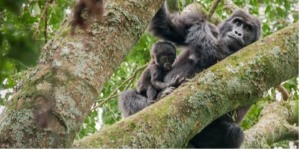
Fly-in safaris don’t alter fundamental gorilla trekking experiences but optimize surrounding logistics. Travelers still participate in standard briefings at park headquarters, trek with assigned ranger groups to locate gorilla families, and spend the regulated one hour observing these magnificent primates. The difference lies in arriving refreshed rather than exhausted from overland travel, with more energy for challenging treks and fuller appreciation of encounters.
Timing coordination becomes particularly important. Morning flights to gorilla destinations typically arrive late morning or early afternoon, meaning gorilla trekking occurs on subsequent days after overnight rest. Return flights are usually scheduled for afternoons, allowing morning gorilla treks followed by afternoon departures. This timing works well but requires accurate coordination between lodge checkout times, park headquarters locations, trek durations (which vary unpredictably), and flight departure schedules.
Some luxury lodges near gorilla trekking areas maintain their own helipads, enabling direct helicopter transfers that eliminate ground driving entirely. Properties like Bisate Lodge near Rwanda’s Volcanoes National Park or Clouds Mountain Gorilla Lodge serving Bwindi exemplify this ultimate convenience, where helicopter arrival delivers guests directly to their accommodation doorsteps. This ultra-premium option appeals to travelers for whom time and convenience absolutely supersede cost considerations.
Porter services at gorilla trekking starting points remain equally important for fly-in travelers. The physical demands of trekking don’t diminish regardless of arrival method, and hiring porters provides valuable assistance while supporting local communities. Fly-in travelers sometimes mistakenly assume their premium logistics extend to easier treks, but gorilla locations vary identically whether you arrived by plane or car, making physical preparation and porter support equally relevant.
Environmental and Community Considerations
Fly-in safaris generate environmental and community impacts worth understanding. Aircraft emissions per passenger-kilometer typically exceed ground vehicle emissions, creating larger carbon footprints for air travel. Environmentally conscious travelers might offset flight emissions through recognized carbon offset programs, balancing convenience against climate concerns.
However, fly-in tourism can benefit conservation through concentrated high-value visitation. When premium travelers spend significantly on flights, luxury lodges, and gorilla permits, they generate substantial conservation revenue per capita while minimizing overall visitor numbers—aligning with low-impact tourism principles. This model particularly suits Rwanda’s conservation philosophy emphasizing high-value, low-volume tourism.
Community impacts from aviation infrastructure prove mixed. Airstrips create local employment through ground handling, security, and maintenance. Some lodge transfers provide income for local drivers. However, the economic benefits concentrate less broadly than overland travel, which spreads spending across multiple communities through fuel purchases, meal stops, and overnight accommodations in various towns.
Balancing these factors requires individual value assessment. Travelers might consider hybrid approaches—perhaps flying one direction while traveling overland the other, supporting both aviation infrastructure and roadside communities while balancing convenience, cost, and impact distribution.
Limitations and Considerations
Fly-in safaris, despite numerous advantages, involve limitations and tradeoffs. Scenic overland experiences, while time-consuming, offer perspectives and interactions impossible from aircraft. The drive through Uganda’s countryside reveals daily life, agricultural practices, small-town dynamics, and roadside scenes that enrich cultural understanding. Travelers prioritizing immersive experiences over efficiency may prefer ground travel’s deeper engagement with landscapes and communities.
Schedule inflexibility with fixed flight times constrains spontaneity. Overland travelers can adjust departure times, take extended breaks, or modify routes based on circumstances. Scheduled flights demand adherence to fixed times, reducing adaptability. Even charter flights require advance booking and coordination limiting last-minute changes.
Weather vulnerability creates uncertainty absent from ground travel. While rare, flight cancellations due to weather can disrupt carefully planned itineraries, potentially affecting international connections or gorilla trekking dates. Overland travel proceeds regardless of weather (road conditions permitting), providing greater reliability despite lower comfort.
The aerial perspective, while beautiful, bypasses ground-level engagement with environments. Travelers miss the experiential richness of traversing diverse landscapes, observing habitat transitions, encountering roadside wildlife, and feeling the journey’s physical dimensions. For some, this loss of process in favor of destination efficiency diminishes overall safari satisfaction.
Conclusion
Fly-in gorilla safaris represent the premium approach to mountain gorilla encounters, optimizing time, comfort, and itinerary flexibility through strategic use of domestic flights connecting international gateways with remote gorilla habitats. The transformation of 8-10 hour overland journeys into efficient 1.5-2 hour flights creates opportunities for more ambitious itineraries within compressed timeframes, ensures travelers arrive energized for demanding treks, and provides spectacular aerial perspectives on East Africa’s remarkable landscapes.
The decision to fly versus drive ultimately depends on individual priorities balancing time constraints, budget parameters, physical comfort preferences, and travel philosophy. For professionals with limited vacation days, travelers prioritizing comfort and efficiency, those combining multiple destinations in comprehensive safaris, or anyone seeking to maximize gorilla encounters while minimizing travel fatigue, fly-in options deliver compelling value despite premium costs. The additional expenditure purchases time—perhaps the most valuable commodity for travelers who’ve journeyed to Africa specifically for profound wildlife encounters and wish to maximize every moment.
As you plan your gorilla safari, carefully evaluate whether fly-in logistics align with your priorities, budget, and vision for the experience. Consult with experienced operators who can model both overland and fly-in itineraries, compare costs and benefits transparently, and design approaches matching your specific circumstances. Whether you choose the efficiency of flight or the immersive journey of overland travel, the ultimate reward remains identical—the extraordinary privilege of encountering mountain gorillas in their misty mountain sanctuaries, a transformative experience that justifies whatever travel method delivers you to their forest homes.
Key Takeaways
- Fly-in safaris reduce travel time from 8-10 hours overland to 1.5-2 hour flights, transforming full driving days into productive safari time
- Domestic flights in Uganda cost approximately $250-450 one-way per person, adding $500-900 round-trip to safari costs but maximizing time efficiency
- Scheduled services operate to Kisoro (serving Bwindi south and Mgahinga) and Kihihi (serving Bwindi north) airstrips, with charter options providing complete flexibility
- Strict baggage limits of 15kg per person in soft-sided bags require efficient packing and potentially leaving excess luggage in Entebbe or Kigali
- Fly-in logistics enable comprehensive multi-park itineraries within 7-10 days that would require 12-15 days overland, particularly valuable for time-constrained travelers
- Weather conditions can affect flight reliability in mountainous regions, making itinerary flexibility and buffer days advisable for critical connections
- Rwanda’s proximity to Volcanoes National Park (2.5 hours from Kigali) makes domestic flights less critical, though helicopter charters offer ultra-premium options
- Strategic hybrid approaches—flying one direction and driving the other—balance cost, time efficiency, comfort, and experiential richness effectively
Frequently Asked Questions
How much more expensive are fly-in gorilla safaris compared to overland travel?
Domestic flights add approximately $500-900 per person round-trip to Uganda gorilla safari costs (Entebbe to Bwindi/Mgahinga and return). For a 10-day safari, this might increase total costs from $5,000-6,000 to $5,500-6,900 per person—roughly 10-15% more. Charter flights or helicopters cost significantly more ($2,000-5,000+ per aircraft), though group charters divided among multiple passengers can approach scheduled flight pricing. The premium purchases 12-16 hours of time savings and substantially increased comfort, valuable particularly for shorter safaris where driving days would otherwise consume significant portions of limited vacation time.
How reliable are domestic flights to gorilla trekking destinations?
Scheduled domestic flights generally maintain good reliability, though weather conditions in mountainous regions can occasionally cause delays or cancellations. Visibility requirements for visual flight operations mean low clouds, fog, or strong winds may ground flights temporarily. Reliability rates typically exceed 90%, but building flexibility into itineraries—avoiding same-day connections to international flights or scheduling buffer days around gorilla trekking permits—provides insurance against weather disruptions. Operators experienced in fly-in logistics plan appropriately for these contingencies and maintain communication about real-time conditions.
What are baggage restrictions for domestic flights?
Small aircraft serving remote airstrips typically limit baggage to 15kg (33 pounds) per person in soft-sided bags. Hard-shell suitcases often cannot be accommodated due to aircraft size and weight distribution requirements. Travelers must pack efficiently using duffel bags or soft luggage, potentially arranging excess baggage storage in Entebbe or Kigali during gorilla trekking portions. Most lodges provide daily laundry services, enabling travelers to pack fewer clothes. Camera equipment usually counts within baggage allowances but receives careful handling as carry-on items when space permits.
Can I do a same-day fly-in gorilla trek from Entebbe or Kigali?
Same-day gorilla trekking from Entebbe is theoretically possible but not recommended. Morning flights arrive late morning, requiring immediate transfer to park headquarters (1-3 hours depending on lodge location) for afternoon briefings, leaving insufficient time for proper acclimatization and rest before early morning treks. Most itineraries involve afternoon arrival, overnight rest, and next-morning trekking. Rwanda’s situation differs—Kigali’s 2.5-hour drive to Volcanoes National Park makes same-day trekking upon international arrival feasible but exhausting. Optimal plans include overnight rest before treks regardless of arrival method.
Is it worth flying for short gorilla safaris of 5-7 days?
Fly-in logistics prove particularly valuable for short safaris where overland travel would consume 2 of 5-7 available days, leaving minimal time for actual gorilla trekking and complementary activities. The time savings justifies costs for travelers who’ve traveled internationally to Uganda specifically for gorilla encounters and wish to maximize their limited vacation time. A 7-day fly-in safari enables gorilla trekking, chimpanzee tracking, and perhaps Queen Elizabeth National Park wildlife viewing, compared to overland safaris of similar duration barely accommodating gorillas plus one additional activity. The shorter your safari, the more valuable flight time-savings become.
Can I combine scheduled flights with overland travel in one itinerary?
Hybrid itineraries combining flights with overland segments offer excellent balance between efficiency, cost control, and experiential richness. Common approaches include flying to gorilla destinations for maximum freshness before demanding treks, then returning overland with stops at Queen Elizabeth National Park or Lake Mburo. Alternatively, fly the longest segments (like Entebbe-Kidepo) while driving shorter, more scenic routes. This strategy directs premium spending toward maximum-value segments while containing overall costs and preserving some ground travel’s immersive qualities. Most tour operators readily accommodate hybrid approaches when designing custom itineraries.
Do luxury lodges near gorilla parks have their own airstrips or helipads?
Some ultra-luxury properties maintain helipads enabling direct helicopter transfers, eliminating ground driving entirely. Examples include Bisate Lodge and Singita Kwitonda Lodge near Rwanda’s Volcanoes National Park, and select Bwindi lodges like Clouds Mountain Gorilla Lodge. These properties partner with helicopter charter services for seamless ultra-premium logistics. However, most lodges, including many excellent luxury properties, utilize regional airstrips (Kisoro, Kihihi) requiring 1-3 hours ground transfer. The airstrip-to-lodge drive, while additional time, remains far shorter than full Entebbe-Bwindi overland journeys and traverses beautiful landscapes approaching gorilla habitats.

