
When planning the adventure of a lifetime, choosing to book a Tanzania safari with a local company can transform your experience from a standard tourist excursion into an authentic, immersive journey through one of Africa’s most spectacular wildlife destinations. Local safari operators offer unparalleled expertise, cultural insights, and a genuine connection to the landscapes and communities that make Tanzania a premier safari destination.
Why Choose a Local Safari Company in Tanzania?
Selecting a local Tanzanian safari operator provides advantages that international tour companies simply cannot match. These homegrown businesses employ guides who were born and raised in the regions you’ll explore, individuals who possess intimate knowledge of animal behavior, seasonal migration patterns, and hidden gems off the typical tourist circuits.
Local companies maintain direct relationships with community conservancies, lodges, and park authorities, often securing better access and more flexible itineraries. The economic impact of your safari investment stays within Tanzania, supporting local families, conservation initiatives, and sustainable tourism development. This creates a virtuous cycle where your travel dollars directly contribute to protecting the very ecosystems and wildlife you’ve come to experience.
Furthermore, local operators are deeply invested in preserving their natural heritage for future generations. Their guides don’t just point out animals; they share stories passed down through generations, explain the ecological interconnections of the savanna, and offer perspectives on conservation challenges that only someone living within these communities can provide.
The Tanzanian Safari Experience: What to Expect
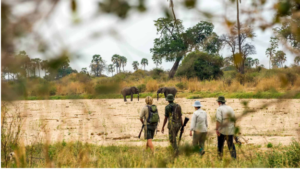
Tanzania boasts some of Africa’s most iconic wildlife destinations, including the Serengeti National Park, Ngorongoro Crater, Tarangire National Park, Lake Manyara, and the remote wilderness of Ruaha and Selous. A safari with a local company typically involves early morning and late afternoon game drives when animals are most active, conducted in specially modified 4×4 vehicles with pop-up roofs for optimal viewing and photography.
Your local guide will navigate the terrain with practiced ease, their trained eyes spotting wildlife that visitors would easily miss. The excitement of witnessing a lioness stalking her prey, a herd of elephants gathering at a watering hole, or the synchronized movement of thousands of wildebeest during the Great Migration becomes even more profound when shared with someone who understands these animals as neighbors rather than just attractions.
Accommodations range from luxury tented camps and lodges to more budget-friendly camping options. Local companies excel at matching your accommodation preferences with your budget while ensuring quality and authentic experiences. Many work with community-owned lodges and camps, providing yet another layer of cultural immersion.
Selecting the Right Local Safari Company
Not all local safari operators are created equal, so conducting thorough research is essential. Look for companies with proper licensing from the Tanzania Tourist Board and membership in professional associations like the Tanzania Association of Tour Operators (TATO). These credentials indicate adherence to industry standards and ethical practices.
Read reviews from previous clients across multiple platforms, paying attention to comments about guide expertise, vehicle condition, responsiveness to requests, and overall value. The best local companies maintain transparent pricing structures with clear explanations of what’s included and what constitutes additional costs.
Communication is key. Reputable local operators respond promptly to inquiries, provide detailed itineraries, and willingly answer questions about their safety protocols, insurance coverage, and contingency plans. They should demonstrate flexibility in customizing itineraries to match your interests, whether you’re passionate about photography, birdwatching, cultural encounters, or simply maximizing wildlife sightings.
Consider the company’s commitment to responsible tourism. Do they practice Leave No Trace principles? Do they support anti-poaching efforts? How do they minimize their environmental footprint? The answers to these questions reveal whether a company views safari tourism as merely a business or as a partnership with the land and communities they operate within.
Cost Considerations and Value Propositions
Tanzania safari pricing varies considerably based on season, accommodation level, group size, and itinerary length. Booking with a local company often provides better value than international operators who add markup for their overhead costs. However, the cheapest option isn’t always the best choice.
A quality local safari company invests in well-maintained vehicles, experienced guides with ecological training, proper safety equipment, and fair wages for their staff. These operational standards come at a cost but significantly enhance your experience and safety. Budget operators cutting corners may compromise on vehicle reliability, guide expertise, or accommodation quality, potentially diminishing what should be a once-in-a-lifetime experience.
Most local companies offer both group joining safaris and private tours. Group safaris reduce per-person costs by sharing vehicle and guide expenses, ideal for solo travelers or couples on tighter budgets. Private safaris provide complete flexibility and personalized attention, worth the premium for families, photographers with specific requirements, or those celebrating special occasions.
Seasonal pricing fluctuations affect safari costs substantially. The high season from June through October coincides with the dry season and Great Migration, commanding premium rates. The green season from November through May offers lower prices, fewer tourists, and dramatic landscapes, though some roads may become challenging after heavy rains.
Beyond the Big Five: Cultural Immersion
One of the most valuable aspects of choosing a Tanzania safari with a local company is the opportunity for genuine cultural exchange. Many local operators arrange visits to Maasai villages, Hadzabe hunter-gatherer communities, or agricultural cooperatives, facilitating meaningful interactions rather than staged tourist performances.
These cultural encounters provide context for understanding how human communities coexist with wildlife, the challenges they face, and their role in conservation. Your guide can explain traditional land use practices, medicinal plant knowledge, and the intricate relationship between pastoralist cultures and the migratory patterns of wildlife.
Local companies often support community development projects, and some offer opportunities for travelers to contribute directly through school visits, conservation volunteer programs, or purchasing authentic handicrafts from village cooperatives. These experiences enrich your safari beyond wildlife viewing, creating connections that resonate long after you’ve returned home.
Practical Logistics and Planning
Working with a local safari company requires some advance planning. Most travelers arrive through Kilimanjaro International Airport near Arusha or Julius Nyerere International Airport in Dar es Salaam. Your safari operator typically arranges airport transfers and can coordinate your entire ground transportation.
Visa requirements for Tanzania vary by nationality, with many visitors obtaining visas upon arrival or through online applications. Your local safari company can provide guidance on documentation requirements, recommended vaccinations, and essential packing lists tailored to your specific itinerary and travel dates.
The best local operators handle park entry fees, accommodation bookings, and logistical coordination, allowing you to focus on enjoying your experience. They navigate the sometimes complex permit systems for national parks and conservation areas, ensuring seamless access to even the most remote locations.
Communication while on safari has improved dramatically with expanding mobile network coverage and WiFi availability at many lodges and camps. However, some remote areas remain off-grid, which many travelers find refreshing as a digital detox opportunity. Your local company will establish clear communication protocols for emergency contact while respecting your desire to disconnect.
Conservation and Sustainable Tourism
The relationship between safari tourism and conservation in Tanzania is complex and evolving. Local safari companies play a crucial role in this ecosystem, as their livelihoods depend directly on maintaining healthy wildlife populations and intact habitats. Many actively contribute to conservation through various mechanisms.
Park entry fees and concession payments fund wildlife protection and anti-poaching efforts. Some local companies donate a portion of profits to specific conservation projects or employ community wildlife scouts who monitor animal movements and deter poaching. Others participate in habitat restoration projects or support human-wildlife conflict mitigation programs.
By choosing a local company committed to sustainable practices, you become part of the solution to conservation challenges. Your tourism dollars demonstrate to local communities that wildlife has greater value alive than through extractive practices, creating economic incentives for protection.
Maximizing Your Safari Experience
To get the most from your Tanzania safari with a local company, communicate your expectations clearly during the planning phase. Share your must-see animals, photography goals, preferred activity level, and any mobility considerations. The more your operator understands your priorities, the better they can tailor your experience.
Remain flexible once on safari. Wildlife viewing is never guaranteed, and the best safaris often involve serendipitous encounters rather than checking boxes on a list. Trust your guide’s expertise when they suggest deviating from the plan to follow fresh leopard tracks or investigate distant dust clouds that might indicate a predator hunt.
Invest in quality binoculars and camera equipment appropriate for wildlife photography. Your local guide can provide tips on the best settings for different lighting conditions and help position the vehicle for optimal shots. Early morning and late afternoon offer the best light and animal activity, so be prepared for early wake-up calls.
Engage with your guide beyond just asking about animals. Many are passionate conservationists, skilled storytellers, and cultural ambassadors eager to share their knowledge. The rapport you build transforms your safari from a service transaction into a collaborative adventure.
Conclusion
Choosing a Tanzania safari with a local company represents more than a travel decision; it’s an investment in authentic experiences, local communities, and conservation. The intimate knowledge, cultural connections, and genuine passion that local guides bring to your safari create memories and insights that transcend standard tourism. These operators offer better value, more flexible itineraries, and the satisfaction of knowing your tourism dollars directly benefit the people and places that make Tanzania extraordinary.
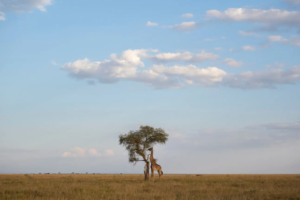
From the endless plains of the Serengeti to the volcanic majesty of Ngorongoro, from heart-pounding predator encounters to quiet moments watching elephants at sunset, your safari becomes infinitely richer when guided by someone who calls this land home. The relationships you forge, the stories you hear, and the perspectives you gain provide context and depth that international operators simply cannot replicate.
Key Takeaways
- Local Tanzanian safari companies provide superior regional expertise, cultural insights, and better value compared to international operators
- Your investment directly supports local communities and conservation efforts when booking with Tanzanian companies
- Thorough research of credentials, reviews, and responsible tourism practices ensures you select a quality operator
- Tanzania offers diverse safari experiences from the Serengeti and Ngorongoro to lesser-known gems like Ruaha and Selous
- Cultural immersion opportunities with Maasai, Hadzabe, and other communities enhance your understanding of human-wildlife coexistence
- Seasonal variations significantly affect pricing and wildlife viewing opportunities throughout the year
- Clear communication of expectations and flexibility during your safari maximize the experience
- Sustainable tourism practices benefit both wildlife conservation and local economic development
Frequently Asked Questions
How far in advance should I book a Tanzania safari with a local company?
Booking six to twelve months in advance is recommended, especially for travel during peak season from June through October or if you have specific accommodation preferences. However, reputable local companies can sometimes arrange quality safaris with shorter notice, particularly during low season.
Are Tanzania safari local companies safe and reliable?
Licensed local companies registered with the Tanzania Tourist Board and professional associations maintain high safety standards. Research reviews, verify credentials, and ask about insurance coverage and vehicle maintenance protocols. Established local operators prioritize safety as their reputation depends on it.
What’s the price difference between local and international safari companies?
Local companies typically charge 20-40% less than international operators for comparable experiences, as they eliminate middleman markups. A quality mid-range safari with a local company averages $250-400 per person per day, while similar international packages may cost $400-600 or more.
Can local safari companies accommodate dietary restrictions and special needs?
Yes, professional local operators routinely accommodate vegetarian, vegan, gluten-free, and other dietary requirements when informed in advance. They also arrange accessible safaris for travelers with mobility challenges, though remote camps may have limitations worth discussing during planning.
Do I need to tip guides and staff when using a local safari company?
Tipping is customary and significantly impacts safari staff livelihoods. General guidelines suggest $20-30 per day for your guide and $10-15 per day for camp staff, divided among the team. Your safari company can provide specific recommendations based on group size and service level.
What languages do local safari guides speak?
Most professional safari guides speak fluent English along with Swahili and often one or more tribal languages. Many also speak German, French, Italian, or Spanish, particularly those working for established companies serving international clientele.

